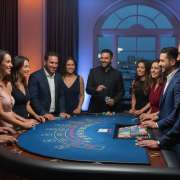

Casino Night Entertainment for HOA Communities
A casino night succeeds when residents have a reason to join in, not just another event to attend. For an HOA community casino night event with 50 to 75 attendees, plan on 3 to 4 tables, then build around them with fun-money play, food, and music.
It’s understandable to want an event that feels special without making planning complicated. The right mix of games, welcoming dealers, a comfortable layout, and refreshments can bring beginners and experienced players together for community fun, without real-money gambling.
This guide explains how to estimate resident turnout, choose casino tables, and plan food and entertainment. You’ll also learn how setup and breakdown affect the schedule, how fun-money play works, and which budget choices shape the event. Use these decisions to plan a casino night around your community’s space, attendance, and goals.
Key Takeaways
- Match table choices and placement to expected attendance, available floor space, and how guests will move between games, food, and entertainment.
- Plan setup and breakdown as part of the event schedule so the room is ready for guests and can be cleared smoothly afterward.
- Keep gameplay focused on entertainment with fun money, making it easier for beginners and experienced players to join in.
- Shape the budget around the event’s priorities, including casino entertainment, venue, decorations, and catering.
- Encourage resident participation with a welcoming game mix and clear invitations, then use feedback to improve future community events.
Combining casino tables with food, music, or a DJ
Choose a venue with room for casino tables, food stations, and social areas. Plan a layout that keeps entrances and exits clear, and give guests space to gather around each table. Professional dealers can guide play, while designated event staff can coordinate food service and guest flow. For safety, monitor alcohol consumption and offer alternative transportation options.
Estimate attendance before selecting tables. A community of 200 households may see 40 to 60 households attend, representing 60 to 100 attendees when couples and families are included. For 50 to 75 attendees, plan 3 to 4 tables; for 75 to 125 attendees, plan 4 to 6. An event expecting 125 to 200 attendees may need 6 to 8 tables.
Allow approximately 150 to 200 square feet of floor space per casino table, including room for players and spectators. That footprint helps prevent queues from blocking food stations or walkways. Sketch the room before arranging rentals, then leave clear routes between gaming, dining, and seating areas. A clubhouse can suit a close-knit gathering, while an outdoor summer festival can spread activities across separate zones.
- Blackjack: A familiar choice for guests who want quick rounds and dealer guidance.
- Roulette: A visible focal point that can draw spectators as well as players.
- Poker: A fit for guests who enjoy strategy, with a tournament format available for structured play.
- Craps: A lively table option that adds variety to a mix of card and wheel games.
Renting tables lets the HOA choose games that match expected turnout instead of filling the room with identical tables. Professional dealers explain the games and keep play moving. A smaller gathering might focus on blackjack and roulette, while a larger event could add poker or craps. Prizes can offer another reason to participate, without making games the evening’s only attraction.
Plan food and entertainment around the games, not on top of them. Offer appetizers, snacks, and beverages that suit guests’ tastes and dietary preferences. Place food stations away from table entrances to avoid crowding. A DJ can add energy between games, while live music or food trucks can complement a summer block party. Keep music low enough for players to hear dealers and talk.
To combine everything smoothly, map the venue first, select table counts from attendance estimates, then assign separate areas for gaming, food, and music. A 6 to 9 PM Friday or Saturday event is one family-friendly timing option. This layout gives residents choices: they can play blackjack, grab a snack, enjoy the DJ, or watch roulette before joining a table.
Entertainment-provider setup and breakdown
Build the delivery, setup, and teardown plan around the venue’s access rules and event schedule. For a five-table casino layout, allow roughly 750 to 1,000 square feet of usable floor space. That estimate includes room for tables, players, and spectators. Confirm where equipment can enter, where it will be placed, and which areas must stay clear. A clubhouse with a narrow entrance may need a different delivery route than a community center with a loading area.
Before event day, assign one organizer to coordinate the venue, casino event team, caterer, and DJ. Share a floor plan with table locations, guest entrances, food stations, exits, and any needed power access. Set an arrival window that allows time to arrange the room before guests arrive. For a holiday gathering, mark decoration and raffle areas so they don’t block access to the games.
Use this sequence to keep planning organized:
- Prepare the venue: Clear the planned gaming area and identify the approved equipment entrance.
- Place the tables: Follow the floor plan, leaving open paths between games, food, and guest seating.
- Coordinate the schedule: Reserve time for delivery and setup before the event, then allow time afterward for breakdown.
- Walk through the room: Check table placement, guest movement, food service, and the raffle area before opening.
Assign responsibilities clearly. The HOA contact can manage venue access and communicate room restrictions. The casino event team can handle table setup and breakdown. A caterer can prepare food stations, while a DJ tests sound from the guest area. If there’s a raffle, designate a volunteer to manage tickets and prizes. Clear handoffs help avoid last-minute decisions that disrupt setup.
Agree on the room’s condition before equipment arrives and after it leaves. Note which furniture stays, what needs to be moved, and where decorations and supplies belong. During the final walkthrough, check the gaming area, food station, raffle display, and entrance. A written closing checklist helps the HOA return the clubhouse or community center as required. Keep an organizer available until breakdown is complete and the room is ready for normal use.
For a smoother event, include access instructions, the floor plan, and the event timeline in one planning document. That gives each team the same view of the setup and teardown sequence. Organizers planning casino entertainment can explore professional casino night event support as one way to coordinate the gaming experience.
Fun-money-only casino entertainment
Fun-money play lets residents enjoy casino games as entertainment, without real-money wagering. Explain the rules before guests arrive, and make the experience welcoming for beginners, families, and experienced players.
Admission Fees and Custom Play Money
One approach is to give each resident a fun-money packet at the door while the HOA covers event costs. Choose the format that fits your community’s goals, and explain what admission includes before registration.
Custom play money or themed chips can make the event feel special and distinguish game currency from ordinary tokens. Keep the design readable, and explain that these items are for games, not cash or prizes with cash value. Vouchers can also make distribution simple, especially when guests collect a packet at check-in.
For an intimate gathering, prepare packets in advance and hand them out at the entrance. For a larger event, set up a dedicated distribution point so guests know where to start. If prizes are part of the evening, explain separately how guests can participate. Clear instructions prevent confusion between game chips, vouchers, and prize entries.
Gambling Law Considerations
State or local gambling laws may apply, depending on the jurisdiction and event structure. Fun-money entertainment differs from real-money wagering, but that distinction alone does not determine how every local rule applies.
Keep gameplay focused on entertainment: don’t let guests wager cash, and don’t present play money as redeemable for money. Explain the format in invitations and at check-in. Since admission models and prizes can affect how an event is viewed, HOA organizers should consider those details alongside applicable state and local requirements before setting the rules.
For family-friendly casino games, select tables that allow beginners to join without feeling tested. Blackjack can be introduced with a short explanation from the dealer, while roulette gives guests an easy way to watch before playing. A suggested HOA game mix includes 2 to 3 blackjack tables. The right number depends on attendance and the event’s planned activities.
Give each guest the same clear starting instructions, whether they receive a packet at the door or through a voucher. For example, explain where to exchange or use chips, whether additional play money is available, and how the evening’s prizes work. Friendly dealers can guide new players through a hand or spin. That simple welcome helps residents enjoy the tables without needing prior casino experience.

Scaling casino entertainment to fit an HOA budget
Set a firm event budget, then divide it among the venue, casino entertainment, decorations, and catering. Keep the categories in one planning sheet so the HOA can compare priorities before committing funds. A memorable atmosphere doesn’t require every detail to be elaborate. For example, organizers might prioritize casino tables and simple refreshments, then use existing clubhouse décor.
Estimate attendance before deciding how much of the budget should go toward gaming. A guide groups small communities as 30 to 75 households, medium communities as 75 to 200 households, and large communities as 200 or more households. Those household categories help frame scale, but expected attendance and available space should shape the actual event plan.
Use a simple sequence to set priorities:
- Estimate participation: Use past HOA events and resident interest to form an attendance estimate.
- Choose the format: Decide whether the gathering is a casual social, a fundraiser, or a themed holiday event.
- Set the gaming mix: Match the number and type of tables to expected guests and the room.
- Allocate remaining funds: Balance decorations, food, music, and prizes against the event’s main goal.
Attendance ranges can guide table planning. A gathering for 50 to 100 attendees is categorized as small, while 100 to 200 is medium. Events with 200 or more attendees are large and call for a custom table-count recommendation. A blackjack-focused evening may use a different mix from an event that also includes roulette, poker, or craps. The room’s capacity and guest flow matter alongside the headcount.
Separate essential costs from optional extras. Venue access, casino entertainment, and food support the event’s basic structure. Decorations, a DJ, and prizes can add atmosphere, but should fit the remaining budget. A holiday gathering might use themed table décor as a focal point instead of decorating every corner. This creates a cohesive look without spreading resources too thin.
For a fundraiser, connect spending decisions to the event’s purpose. Plan prizes, food, and entertainment around the guest experience you want to create. For a resident social, simple refreshments and a focused selection of games may better serve the goal of bringing neighbors together. Compare each expense with its role, then adjust the plan before invitations go out.
Revisit the budget after setting expected attendance, the room layout, and entertainment priorities. If turnout changes, the number of tables and the food plan may need to change too. A clear budget helps the HOA make those trade-offs deliberately and create an event that feels polished, welcoming, and financially manageable.
Resident participation in community casino nights
Resident turnout starts with a realistic estimate, then improves through planning that gives neighbors clear reasons to attend. One planning guide suggests estimating that 20 to 30 percent of households will send at least one representative. Use that range as a starting point, then compare it with attendance at previous HOA parties and residents’ stated interest. For a community with 200 households, one estimate projects 40 to 60 attending households, or 60 to 100 attendees when couples and families are included.
For nonprofit casino nights, permit and license requirements depend on state and local rules and the event format. Consider whether admission, prizes, fundraising, or play-money games affect applicable requirements before promoting the event.
Make participation easy from the first invitation. State the event’s purpose, location, format, and whether residents may bring guests. A clubhouse casino night offers a familiar setting, while a community-center gathering may provide more room for games and socializing. Explain that games use fun money, and that beginners can learn at the tables with dealer guidance.
Use a simple promotion sequence to reach different residents:
- Invite early: Send a save-the-date 6 to 8 weeks before the event.
- Share details: Send the formal invitation 3 to 4 weeks beforehand.
- Prompt attendance: Send a reminder 1 week before, with arrival and activity details.
- Welcome newcomers: Ask volunteers to greet residents and explain where to begin.
Offer more than one way to take part. Some residents may play blackjack or roulette, while others prefer to watch, enjoy refreshments, or talk with neighbors. A raffle or prizes can add another activity, and a clearly marked social area gives nonplayers a comfortable place to gather. Explain which activities suit the event’s intended audience. These options make participation about more than sitting at a table.
On event day, use a greeter at the entrance and visible signs for registration, games, refreshments, and seating. At a clubhouse event, a volunteer can direct new arrivals toward a beginner-friendly table instead of leaving them to navigate alone. Afterward, collect resident feedback about the games, timing, and social setup. Use those responses to shape the next gathering, then plan a casino night for your community around what residents say they enjoyed.
After the gathering, property managers can treat residents’ comments as guidance for shaping the next event. Property managers can use resident feedback to refine future events and tailor offerings to residents’ expectations. Consider whether responses point toward changing the mix of games, the social setup, or the way newcomers are welcomed, and let those preferences guide the next plan. This keeps future choices connected to what residents say they want rather than relying only on organizers’ assumptions.
Hiring professional dealers can make a resident casino night feel more like a real casino. Organizers can consider whether professional dealers suit the atmosphere they want and the experience residents expect. If selected, professional dealers can be part of an event shaped around residents’ preferences.
Full House Casino Events: Corporate Casino Events
Full House Casino Events can help turn your HOA’s plans into a polished casino-themed gathering. Corporate Casino Events suit community organizers seeking a structured, social experience, while Casino Night Fundraisers bring casino-themed entertainment to fundraising events. Private Casino Party Events can suit resident celebrations, and Blackjack Table Rentals are a focused option when blackjack is central to the evening.
These offerings support entertainment with fun-money play, not real-money wagering. Share your event’s goals, preferred games, and venue details to start shaping an experience that fits your community. For an HOA social, fundraiser, or private gathering, contact Full House Casino Events or visit fhcevents.com.
Bring Your Community’s Next Event to Life
Turn your event idea into a clear plan: decide whom you want to bring together, the atmosphere you hope to create, and which casino-style experience fits that goal. A thoughtfully planned HOA community casino night event can give neighbors a fresh way to connect, whether you’re organizing a resident celebration or a fundraiser.
Full House Casino Events offers Corporate Casino Events, Casino Night Fundraisers, and Private Casino Party Events. Share the occasion and the experience you have in mind to explore how these options can support your gathering. Choose a format that welcomes residents and aligns with the event’s purpose.
Contact Full House Casino Events to discuss your community’s casino night plans. A great evening starts with a simple idea, and your next neighborhood gathering can be an inviting place for residents to come together.
Frequently Asked Questions
Why Host a Casino Night for Your Community?
A casino night gives neighbors a shared activity for players and spectators alike. At an HOA community casino night event, games can help residents mingle beyond their usual social circles, while a fundraiser can connect the evening to a community cause. Casino nights also offer a flexible theme for seasonal gatherings. Residents who don’t play can still enjoy refreshments, conversation, and watching a lively table.
What permits or licenses are required for a nonprofit casino night in the United States
State or local gambling laws may apply depending on the jurisdiction and event structure. Keep play money nonredeemable, prohibit cash wagering, and consider applicable state and local requirements when setting admission and prize rules.
How much does it cost to rent casino tables and equipment
These are event entertainment estimates, not separate table-rental prices.
How to choose a casino night vendor and compare packages
Compare vendors by confirming what their service includes, such as setup, entertainment, and breakdown, and whether they can tailor table counts and games to your attendance and venue. Check the floor plan, access requirements, and event budget, including venue, decorations, and catering.
What are alternatives to cash prizes for a community casino night
Consider noncash prizes such as electronics or spa treatments. Gift cards and restaurant vouchers are other possible prize options.